

You might be wondering: What are the benefits of baby swimming?
National Baby Swimming Week now runs each year in the UK. It raises awareness of how early years swimming supports water confidence, safety and healthy development.
But you do not need to wait for a special week. Regular time in the pool can help your baby learn vital skills and gives you both quality time together.
Let us look at some of the key benefits that research and swim organisations highlight.
1. Water confidence from the first splash

A weekly baby swimming lesson helps your baby feel calm and settled in the water from an early age.
Swim England notes that one clear benefit of baby swimming lies in building early water confidence. The warm pool, gentle movements and repeated songs soon become familiar. Your baby begins to link the water with comfort, play and connection with you.
And that confidence often carries over to family swims and holidays, so trips to the pool feel less stressful for everyone.
2. Early water safety skills

One of the most important benefits of baby swimming sits in water safety.
The Royal Life Saving Society UK points out that drowning ranks among the leading causes of unintentional injury death worldwide, based on World Health Organization data. Early water skills cannot replace close supervision, but they can form part of a broader approach to safety.
In baby swimming classes, you and your baby usually work on:
Safe entries and exits from the pool
- Turning towards the side and reaching for it
- Holding onto the pool edge to keep the mouth and nose clear of the water
- Blowing bubbles, so your baby learns to breathe out when splashed
Some classes also include short, supported underwater swims. In those, your baby learns to close their mouth and then return to the surface with your help or the teacher’s help.
So your baby starts to enjoy the water, but also learns how to move more safely in it.
3. Stronger muscles, heart and lungs

Swimming uses almost every major muscle group. The water provides resistance, and that helps build strength in a controlled way.
Because the water supports your baby’s body, they can move more freely than they might manage on land. Swim England and other organisations highlight that swimming can help strengthen muscles and support heart and lung function in young children.
Research into early years swimming also links regular lessons with children reaching physical milestones sooner than population norms, such as better motor skills and coordination.
In day to day terms, you may notice:
- A firmer grip
- Stronger kicks in the water and on the mat
- More controlled rolling and wriggling during play
4. Better balance and coordination
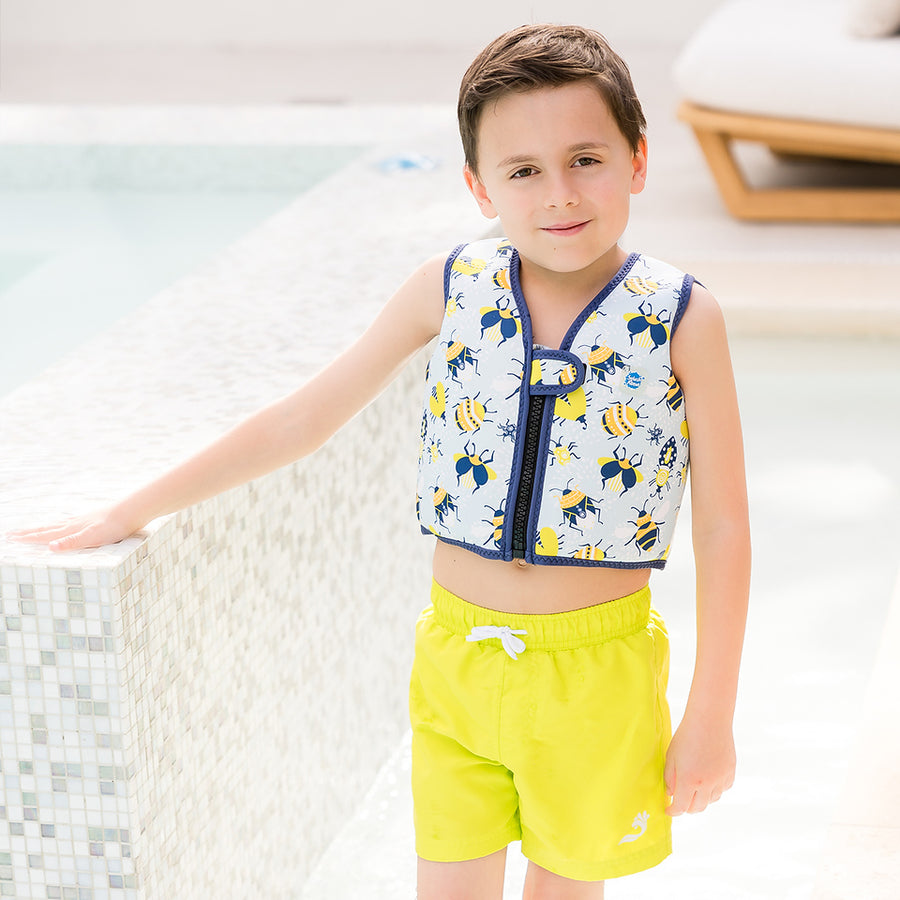
In the pool, the water supports much of your baby’s weight and you support the rest. This gives them freedom to practise balance and controlled movement.
A research group linked to the Norwegian University of Science and Technology studied children who took part in structured baby swimming sessions. At around five years of age, those who had swum as babies showed better balance and grasping skills than non swimmers, even when researchers allowed for family background.
Swim England also notes that swimming can help improve coordination and balance, because babies focus on maintaining their position in the water.
So the simple acts of kicking, reaching for toys and turning in the water can support later milestones such as sitting, crawling and walking.
5. A boost for brain development and learning
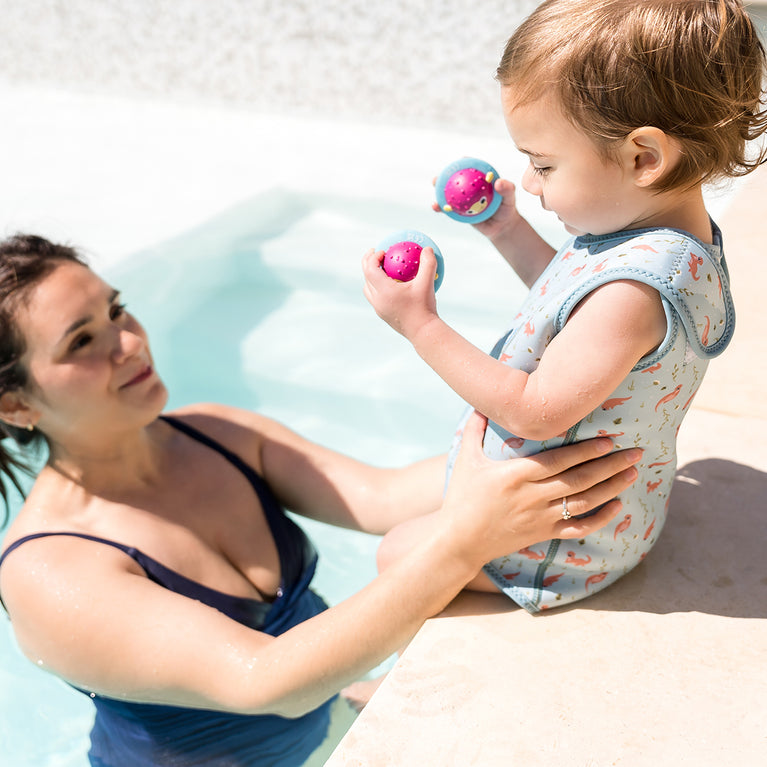
Baby swimming offers rich, varied stimulation. Your baby hears voices and music, feels the water, sees faces and toys and moves in time with songs.
A four year research project led by Griffith University in Australia looked at more than 7,000 children under five who took swimming lessons. On average, children who had participated in early years swimming scored ahead of population norms on a range of cognitive and physical measures, including language, number work and motor skills.
That does not mean swimming alone makes a child “smarter”. But it suggests that the mix of movement, interaction and routine in lessons can support early learning.
So when you sing, splash and play in the pool, you are not just having fun. You are also helping your baby practise skills that matter later on.
6. A stronger bond between you and your baby
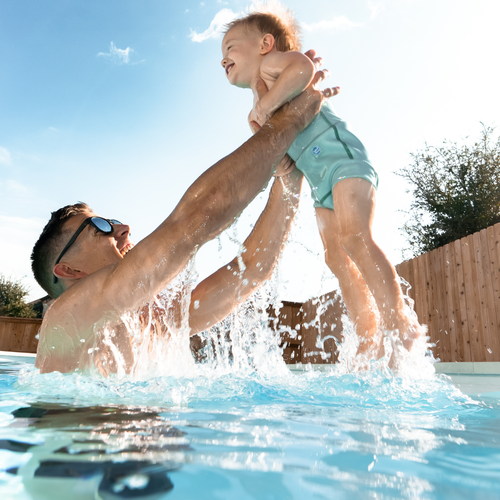
Time in the pool gives you a chance to focus just on each other.
Baby swim providers and child development charities often highlight how swimming supports bonding, because it gives you:
Close physical contact in warm water
- Plenty of cuddles and reassuring touch
- Frequent eye contact and shared smiles
- Space away from phones and housework
Water Babies, for example, describes baby swimming as a setting that promotes bonding and structure for families.
You hold your baby close, speak calmly, praise their efforts and comfort them if they feel uncertain. Over time, that steady pattern builds trust.
At Splash About, we want you to enjoy this time as much as possible. So choose a class that feels friendly, go at your baby’s pace and keep the focus on connection, not performance.
7. Calmer moods and relaxed little bodies
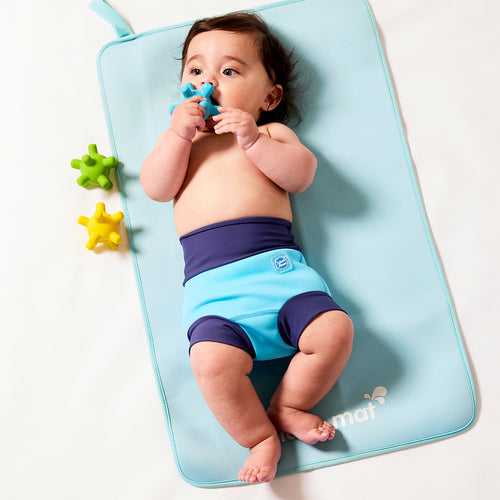
Exercise and warm water can help many people feel more relaxed. Swim schools and partners who take part in National Baby Swimming Week often report that families notice calmer moods in babies after lessons.
Your baby spends the session moving, listening, watching and responding to you. That level of engagement often leaves them pleasantly tired.
You may see that your baby:
Seems content and settled after class
- Cries less in the hours that follow
- Copes better with small frustrations on swimming days
And a relaxed baby usually helps you feel more at ease too.
8. Better sleep for tired little swimmers

Many parents notice that their baby sleeps well on swimming days. Swim providers also talk about improved sleep patterns as a common benefit for regular swimmers, based on feedback from families.
During a lesson, your baby uses a lot of energy. They move in new ways, process new sights and sounds and concentrate on you and the teacher. It is not surprising that many babies feel ready for a good nap afterwards.
You might find that:
Your baby falls asleep more easily after class
- Naps last a little longer than usual
- Bedtime feels smoother if the lesson sits earlier in the day
Every baby is different, so treat this as a possibility rather than a promise. It is still worth planning a quiet window after the lesson, just in case your little one does drift off.
9. A healthier appetite

Providers such as Water Babies list improved appetite as one of the benefits that parents often report from regular swimming.
Again, this fits with what you might expect. Your baby has done a full body activity and used energy to keep warm, move and concentrate. So they may well want extra milk or a bigger meal afterwards.
You can support this by:
Offering a feed or bottle soon after the lesson
- Bringing a suitable snack for older babies and toddlers
- Watching your baby’s cues and letting them lead
If you have struggled with distracted feeding, this can sometimes feel like a helpful reset.
10. A positive weekly routine for you both
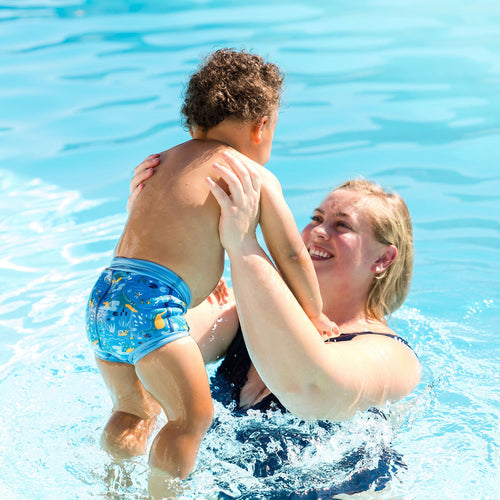
Baby swimming can give structure to your week. National Baby Swimming Week materials and partner blogs often mention social connection and routine as key reasons families choose to swim.
A regular class can:
Give you both something to look forward to
- Encourage you to get out of the house
- Help you meet other parents and carers at a similar stage
- Provide your baby with regular social contact
Parenting can feel lonely at times. A friendly swim group gives you people to chat to, share tips with and laugh with when things feel hard.
At Splash About, we want to make that easier for you. So choose swimwear that keeps your baby warm and comfortable, arrive in good time, speak to the teacher about any worries and let yourself enjoy the session.
So: what are the benefits of baby swimming?
To sum up, research and expert organisations suggest that baby swimming can:
- Build water confidence and introduce early safety skills
- Support stronger muscles, heart and lungs
- Improve balance, coordination and motor skills
- Offer rich sensory input that supports early learning
- Strengthen the bond between you and your baby
- Encourage calmer moods after lessons
- Help with sleep and appetite on swim days for many families
- Create a regular, sociable routine for you both
Baby swimming will not solve everything, and it does not replace close supervision around water. But it can give your child a life skill, and give you special time together in the water.
So when will you book your next splash?
For more Splash About baby swimming guides click here, or choose from the list below:

Lesley Beach
Splash About has been developing ground breaking swimming products for babies and children for over 20 years. With its invention of the first float jacket through to the award winning Happy Nappy range of products, Splash About is now a world class supplier to thousands of swim schools, leisure complexes and parents in over 45 countries.
Latest Blogs
Dear Splashy: My Partner Hates Swimming, How Can I Convince Them?

At what Age Can a Baby Start Swimming? Tips Backed by Experts
