
That moment when your son pushes off from the poolside for the first time, kicking confidently through the water, is a parenting milestone worth celebrating. But getting there often involves more than just swimming lessons. The swimwear your child wears can genuinely affect how quickly he gains confidence in the water, how comfortable he feels during lessons and how willing he is to practice his strokes.
This guide explores how choosing the right boys' swimwear supports your son's swimming journey, from first splashes to independent swimming. Because when children feel comfortable and properly equipped, they're far more likely to embrace the water rather than resist it.
Why Swimwear Matters for Water Confidence
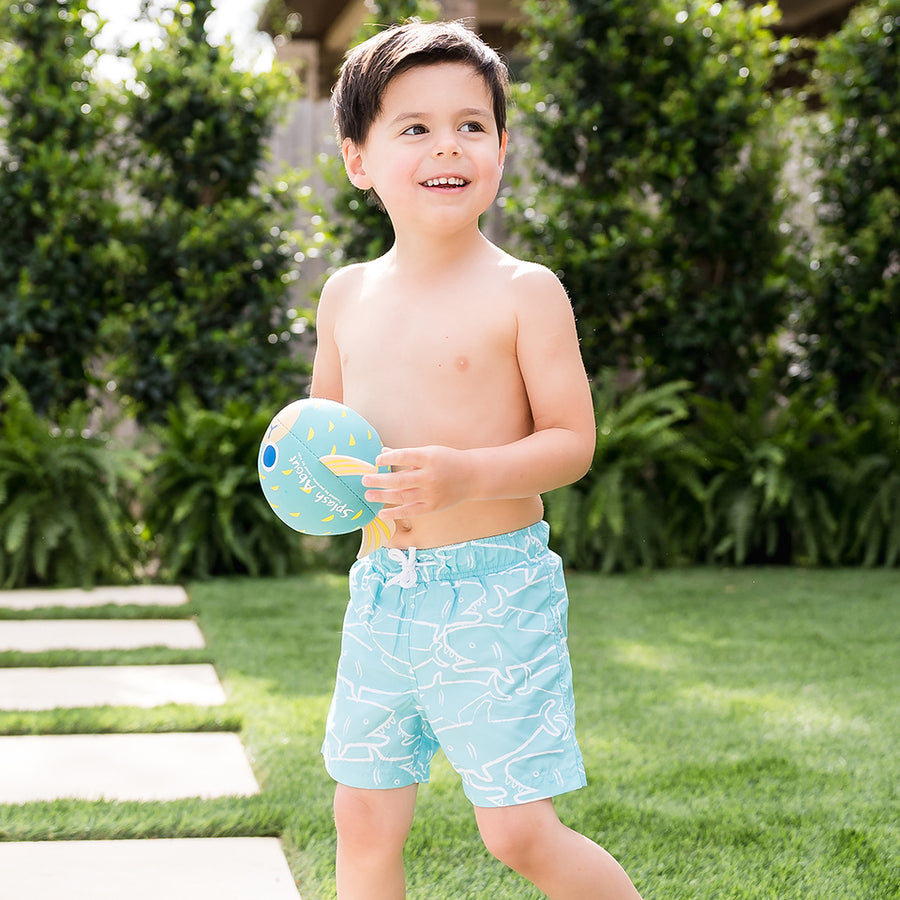
Children are remarkably sensitive to physical discomfort, and ill-fitting or unsuitable swimwear can become a genuine barrier to enjoying the pool. Swim shorts that constantly slip down mid-stroke or rash vests that chafe under the arms create distractions that pull focus away from the lesson itself.
When swimwear fits properly and feels comfortable, your son can concentrate entirely on what his instructor is teaching. He won't be tugging at his waistband or complaining about scratchy seams. This might seem like a small thing, but swim teachers consistently report that children in well-fitting, appropriate swimwear progress faster than those distracted by clothing issues.
Choosing Swimwear for Different Swimming Stages
Your son's swimwear needs will evolve as he develops his water skills. Understanding what works best at each stage helps you make smarter purchasing decisions.

Early Learners (Ages 1-4)
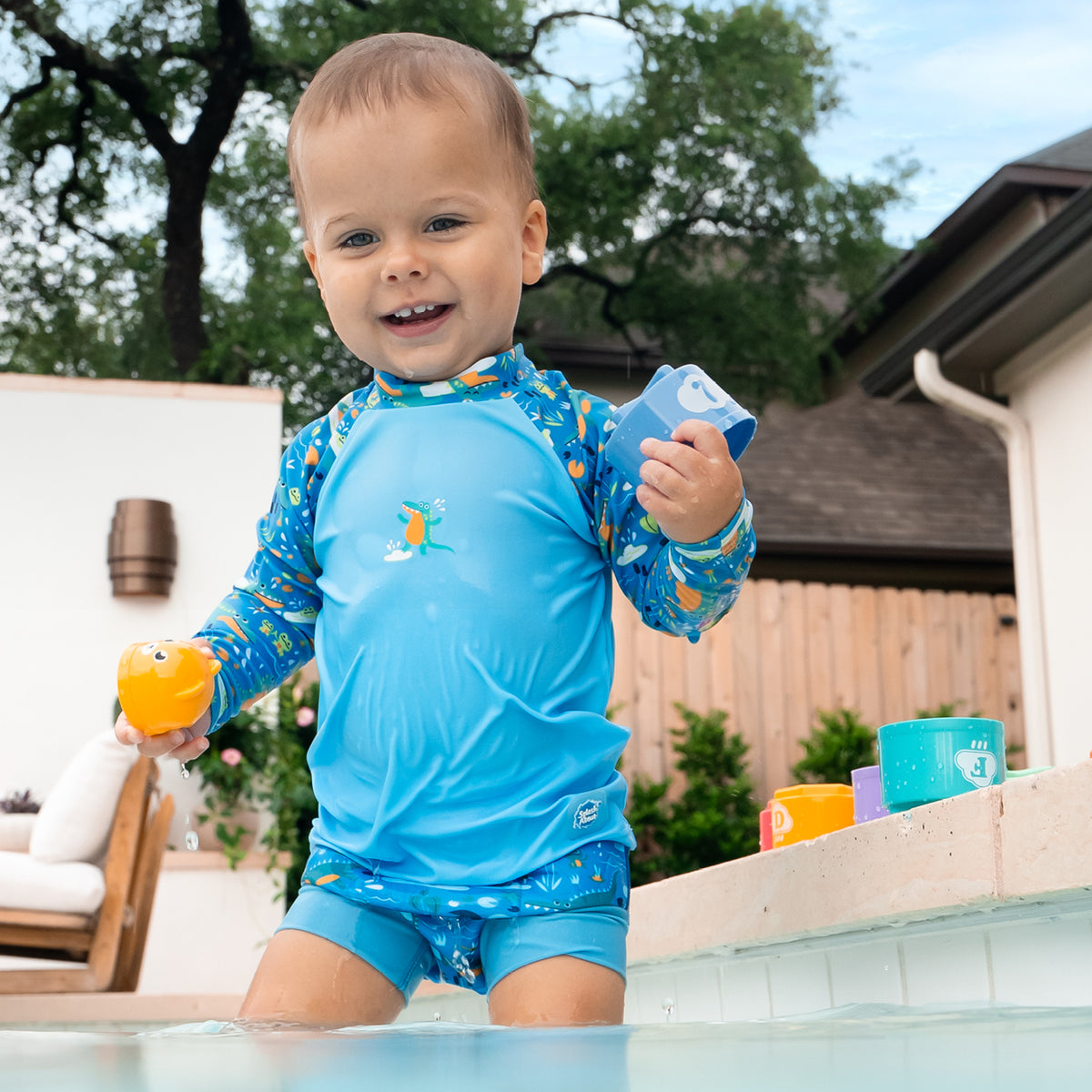
Young boys learning water confidence need swimwear that allows complete freedom of movement. Lightweight rash vests paired with comfortable swim shorts create an ideal combination. For babies and toddlers not yet potty trained, a Happy Nappy™ worn underneath keeps pools hygienic while allowing your little one to move freely.
At this stage, warmth matters enormously. Small bodies lose heat quickly in pool water, and a cold child becomes an unhappy child who wants to leave early. Shorty Wetsuits provide excellent insulation, and still allow full arm and leg movement for developing stroke technique.


Developing Swimmers (Ages 4-8)
Once your son has mastered the basics and is working on proper swimming strokes, his swimwear needs to shift slightly. At this stage, a streamlined fit becomes more important. Swim shorts with a tapered leg reduce drag in the water, helping him move more efficiently.
UV Sun & Sea Wetsuits work brilliantly for boys at this stage, providing sun protection for outdoor pools and beach swimming, and offering enough warmth for British pool temperatures. Their close fit means nothing flaps or catches water as your child moves.
For swimming lessons and structured pool sessions, pair swim shorts with a short-sleeve rash vest for comfortable coverage that doesn't restrict movement.

Confident Swimmers (Ages 8+)
Older boys who swim confidently often prefer a more grown-up look. Classic swim shorts in block colours like navy, forest green or lime feel more mature than character prints, though some children enjoy fun designs well into their tween years.
At this stage, quick-drying fabrics become particularly practical. Your son might be swimming before school, after football practice or as part of various activities. Swimwear that dries rapidly means less time dealing with soggy kit.
Sun Protection: A Year-Round Consideration
UV protection matters more than many parents realise, and not just during summer holidays abroad. Water reflects UV rays, increasing exposure, and British pools with skylights or outdoor swimming sessions can cause surprising sunburn.
All Splash About boys' swimwear is made from UPF50+ fabric, blocking over 98% of harmful UV rays on covered areas. Pairing swim shorts with a rash vest extends this protection across the torso, chest and arms.
Add a legionnaire hat for outdoor swimming and beach days. The extended neck flap protects easily-burnt ears and neck while the wide brim shields the face. Remember to apply sun cream to any exposed skin not covered by UPF clothing.


Building a Complete Swimming Kit
The right accessories support your son's swimming progress just as much as core swimwear. Consider building a kit that includes essentials for every swimming session.
Kids' goggles protect eyes from chlorine irritation and help children who are nervous about putting their faces in the water. Being able to see clearly underwater often transforms a reluctant swimmer into an enthusiastic one.
For boys working on specific skills, a Go Splash Swim Vest provides gentle support and encourages proper swimming position. Unlike armbands, swim vests allow natural arm movement for stroke development. Swimming aids are not life-saving devices and require constant adult supervision at all times.
Bundle options like Boys Swimwear Bundles offer excellent value, combining popular items at discounted prices. They're ideal for building a complete swimming kit or replacing multiple items at once.
Getting the Right Fit
Proper fit directly impacts both comfort and performance in the water. Here's what to look for when sizing boys' swimwear.
Swim shorts: Should sit comfortably at the waist without needing constant adjustment. The leg length is personal preference, but it should allow complete freedom of movement. Younger sizes (ages 1-4) come without drawstrings for safety; older sizes include drawstring waists for adjustable fit.
Rash vests: Should fit snugly but not restrictively. A rash vest that's too loose creates drag and may ride up during swimming. If you can comfortably slide two fingers under the neckline, the fit is right.
Wetsuits: Should feel firm but not constricting. Neoprene stretches slightly when wet, so a snug dry fit becomes a comfortable wet fit. Shoulders should sit in the correct position without pulling or gaping.
Caring for Boys' Swimwear
Quality swimwear represents an investment, and proper care extends its lifespan significantly. After every swim, rinse pieces thoroughly in cool, fresh water to remove chlorine, salt or sand. Air dry away from direct sunlight and heat sources; UV light and heat can degrade fabrics over time.
Avoid machine washing unless necessary, and never tumble dry. Store swimwear flat or loosely rolled rather than folded, which can create permanent creases in neoprene items.
With proper care, good quality swimwear maintains its fit, colour and protective qualities for many seasons.
Explore the complete boys' swimwear collection and find everything your young swimmer needs for confident, happy swimming.
Disclaimer: Swimming aids are not life-saving devices and require constant adult supervision at all times. Children should never be left unattended near water. UV protective swimwear protects covered areas only; always apply appropriate sun cream to exposed skin.

Lesley Beach
Splash About has been developing ground breaking swimming products for babies and children for over 20 years. With its invention of the first float jacket through to the award winning Happy Nappy range of products, Splash About is now a world class supplier to thousands of swim schools, leisure complexes and parents in over 45 countries.
Related Blog & Guides
-
Swim Jackets, Vests and Aids for Boys: What Helps Build Water Confidence?
Read Now -
What Should My Son Wear for Swimming Lessons? A Practical Guide by Age
Read Now -
Ultimate Family Swimwear Buying Guide
Read Now -
Baby and Kids Swimwear Trends for 2026
Read Now -
The Best Swimwear for Indoor Lessons (ages 1-8)
Read Now


